The term Basqueserpartists might seem unusual at first, but it represents far more than a word. It embodies a movement, a culture, and a dedication to preserving the unique heritage of the Basque people. This identity spans language, art, political activism, and community initiatives. In the United States, Basqueserpartists are cultural ambassadors, maintaining traditions and heritage across generations.
For anyone seeking to understand global cultural resilience, Basqueserpartists provide a living example of how language, creativity, and community converge to protect identity. This article will explore their history, practices, benefits, drawbacks, and modern relevance, offering practical guidance for individual users and technical teams alike.
What Basqueserpartists Represent
At its core, Basqueserpartists refers to individuals and groups committed to defending and promoting Basque culture. While historically connected to political resistance movements in Spain, especially during the 20th century, the term today is broader. It includes artists, educators, writers, and digital content creators working to ensure Basque traditions, language, and values endure.
The Basque language, Euskara, is central to this identity. Unlike other European languages, Euskara has no known relatives. Basqueserpartists treat this linguistic uniqueness as a symbol of cultural independence. Beyond language, music, festivals, culinary traditions, and even architecture are all areas where Basqueserpartists actively work to preserve and promote heritage.
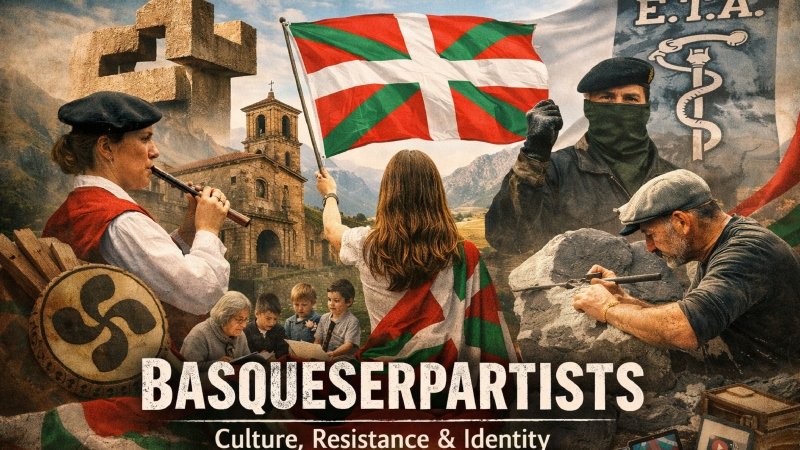
Historical Context: Resistance and Identity
During the Franco dictatorship in Spain, Basque culture faced severe suppression. Speaking Euskara publicly was banned, and traditional practices were often criminalized. Political resistance took many forms, from the militant ETA to peaceful cultural activism. Basqueserpartists emerged as guardians of identity, balancing resistance with preservation.
While ETA’s history included violent actions, the broader movement of Basqueserpartists highlights nonviolent methods: education, literature, art, and community engagement. In the United States, descendants of Basque immigrants continue this legacy by fostering schools, cultural centers, and festivals, particularly in regions like Idaho, Nevada, and California.
Cultural Expression as a Form of Resistance
Art has always been a powerful tool for Basqueserpartists. Sculptures, murals, music, and literature became outlets for identity expression when political avenues were restricted. Prominent artists and writers demonstrated that cultural preservation could coexist with activism, allowing communities to maintain traditions without direct confrontation.
Modern Basqueserpartists extend this approach into the digital world. Social media, blogs, and video content enable younger generations to learn Euskara, share music, and showcase culinary traditions globally. This digital adaptation ensures the Basque identity remains visible and vibrant.
Pros and Cons of Basqueserpartists Initiatives
The work of Basqueserpartists is not without challenges. Understanding the pros and cons is essential for both individuals and technical teams aiming to support cultural preservation.
Pros
-
Ensure cultural continuity and strengthen community bonds.
-
Promote language education and the learning of Euskara.
-
Encourage artistic innovation across music, literature, and visual arts.
-
Provide a strong sense of identity for younger generations.
-
Contribute to multicultural enrichment in the United States.
-
Offer lessons in resilience, adaptation, and the importance of heritage.
Cons
-
Limited resources for sustaining long-term projects.
-
Generational gaps in interest and engagement.
-
Risk of cultural dilution due to globalization.
-
Possible opposition from communities unfamiliar with Basque traditions.
-
Difficulty in maintaining consistent engagement over time.
-
Overemphasis on tradition may resist necessary modernization.
Comparison Table: Traditional vs. Modern Basqueserpartists
| Aspect | Traditional Basqueserpartists | Modern Basqueserpartists |
|---|---|---|
| Language Preservation | Focused on Euskara education | Digital content, apps, online courses |
| Art & Culture | Physical art, music, festivals | Social media, videos, global outreach |
| Political Engagement | Local resistance, activism | Advocacy, cultural diplomacy |
| Community Outreach | Basque neighborhoods, local schools | Online communities, diaspora networks |
| Generational Reach | Primarily adult activists | Includes youth and digital natives |
How Basqueserpartists Operate in the USA
Basqueserpartists in the United States operate through cultural centers, festivals, and language programs. Cities like Boise host annual events that celebrate Basque food, dance, and music. Community-driven schools teach Euskara, while organizations collaborate with universities and cultural institutions to create awareness of Basque heritage.
Technical teams supporting these initiatives focus on digital archives, online learning platforms, and multimedia content distribution. They ensure that knowledge of Basque traditions is preserved, accessible, and engaging for both local and global audiences.
Practical Guidance for Individuals
Individuals can support Basqueserpartists by learning Euskara, participating in cultural festivals, and sharing Basque art, music, or literature with others. Engaging with diaspora communities helps sustain cultural traditions and provides opportunities to collaborate on educational and artistic projects.
Practical Guidance for Technical Teams
Technical teams play a critical role by developing digital platforms that preserve and share Basque culture. These include online language courses, video archives, mobile apps, and social media campaigns. Emphasizing usability and accessibility ensures that both younger and older audiences can engage effectively. Data analytics can guide content creation, while cloud solutions guarantee long-term preservation.
Frequently Asked Questions (FAQ)
1. Who qualifies as a Basqueserpartist?
A Basqueserpartist is anyone actively preserving or promoting Basque language, art, or traditions, whether through education, activism, or digital media.
2. How do Basqueserpartists help maintain Euskara?
They create educational programs, publish literature, develop digital tools, and organize events that encourage daily use of Euskara.
3. Are Basqueserpartists political activists?
While some were historically connected to political resistance, most modern Basqueserpartists focus on culture, education, and community outreach rather than politics.
4. How can individuals get involved in Basque preservation?
Individuals can learn the language, attend cultural events, support Basque artists, or volunteer in community programs.
5. What challenges do Basqueserpartists face today?
They encounter generational gaps, resource limitations, and cultural dilution due to globalization. Maintaining engagement across diverse communities remains a key challenge.
6. Is Basque identity relevant outside Spain and France?
Yes. Large diaspora communities in the USA, Argentina, and Chile actively maintain traditions through schools, festivals, and digital platforms.
Conclusion: Why Basqueserpartists Matter and How to Act
Basqueserpartists represent more than culture; they are the guardians of a unique identity that combines history, language, art, and community. Their efforts preserve heritage, empower individuals, and strengthen global understanding of cultural diversity.
For individuals, engaging with Basque traditions provides personal enrichment and strengthens cross-cultural awareness. For technical teams, supporting digital preservation ensures these traditions remain accessible for future generations.