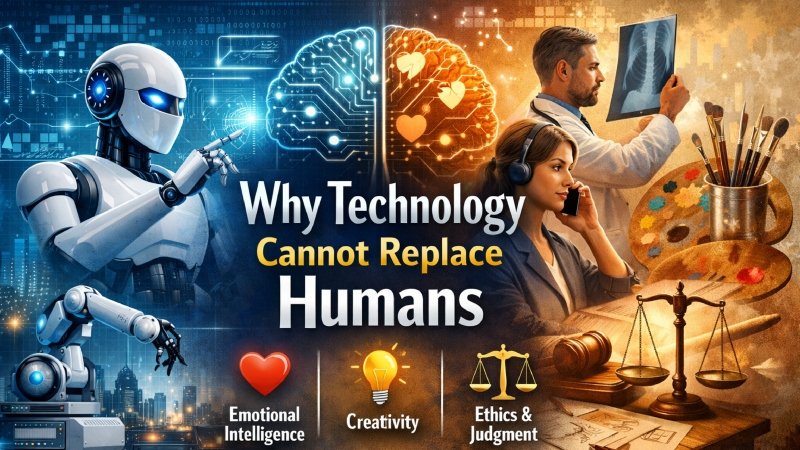
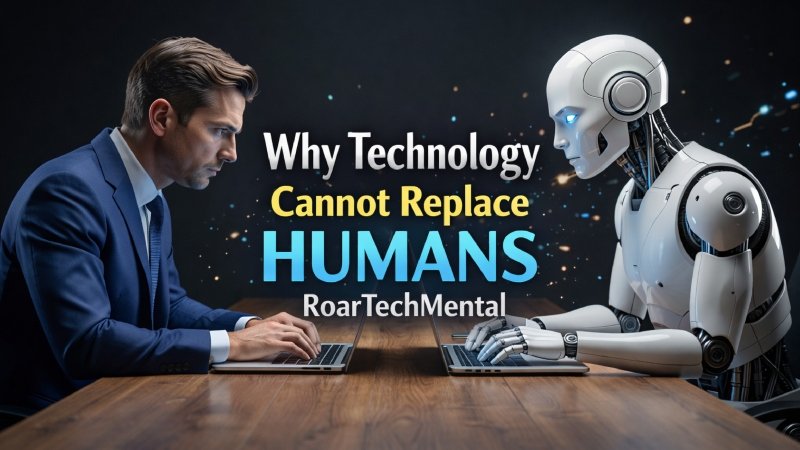
In today’s hyper-digital world, it is tempting to believe that machines, AI systems, and automation can handle almost everything humans do. Yet, one truth stands out: why technology cannot replace humans RoarTechMental. Despite breakthroughs in artificial intelligence, robotics, and data-driven tools, humans remain irreplaceable due to emotional intelligence, ethical judgment, creativity, and adaptability. This principle is critical for individuals navigating technology in daily life and for technical teams designing and deploying digital systems.
Technology enhances productivity, decision-making, and efficiency, but it cannot replicate the uniquely human elements that drive innovation, empathy, and societal growth. Understanding this distinction ensures smarter integration of technology without compromising human value or safety.
Understanding Why Technology Cannot Replace Humans RoarTechMental
The limitations of technology are often misunderstood. While machines can perform repetitive tasks faster than humans and process massive datasets, they cannot handle situations requiring nuanced judgment, emotional perception, or moral reasoning. For individual users, this distinction ensures realistic expectations from digital tools. For technical teams, it emphasizes designing technology that augments human capabilities rather than attempting to replace them.
Humans bring context, creativity, and insight to every scenario. A project manager anticipates team morale, a therapist notices subtle emotional cues, and a designer innovates solutions that a machine cannot predict. These factors define why technology cannot replace humans RoarTechMental.
Emotional Intelligence: The Core Human Advantage
Emotional intelligence sets humans apart from AI systems. Machines can detect keywords or facial expressions, but they cannot understand the depth of feelings or the subtleties of human interaction. For example, a chatbot may respond appropriately to predefined phrases, but it cannot perceive hesitation, tone, or vulnerability. Humans excel at empathy, active listening, and emotional support, which are essential in healthcare, education, leadership, and customer engagement.
For technical teams, designing tools without relying solely on human insight risks creating systems that fail in real-world applications. Emotional intelligence remains the cornerstone of effective human-centered technology.
Creativity and Innovation Beyond Algorithms
Creativity is inherently human. While AI can mimic patterns and generate outputs based on data, original ideas, intuition-driven solutions, and artistic expression come from human experience. Consider writers, artists, scientists, and engineers: breakthroughs often emerge from abstract thinking, serendipity, or personal insights that no machine can replicate.
Technical teams must recognize this limitation when developing AI solutions. Automation can optimize processes, but innovation requires human oversight, contextual judgment, and imaginative thinking. This distinction explains why technology cannot replace humans RoarTechMental in creative industries and innovation-driven roles.
Ethics and Moral Judgment in Human Decisions
Machines follow rules; humans make ethical decisions. Life often presents complex scenarios where morality, values, and social consequences must be weighed. Humans evaluate risks, prioritize fairness, and adapt decisions to changing circumstances. Technology lacks consciousness and cannot make moral judgments independently.
For individual users, this insight stresses caution when relying solely on AI for sensitive tasks such as healthcare, finance, or governance. For technical teams, ethical design principles must be incorporated to ensure systems support rather than supplant human judgment. This underlines why why technology cannot replace humans RoarTechMental in contexts requiring responsibility and conscience.
Pros and Cons of Relying on Technology vs Humans
Understanding the strengths and limitations of both humans and technology provides practical guidance for balanced integration.
Pros of Technology:
-
Fast processing of large datasets
-
Automation of repetitive tasks
-
Consistent performance without fatigue
-
Enhanced data-driven decision support
Cons of Technology:
-
Lacks emotional awareness
-
Cannot make ethical or moral decisions
-
Limited adaptability to unpredictable scenarios
-
Creativity and intuition cannot be replicated
Pros of Humans:
-
Emotional intelligence and empathy
-
Creativity and innovative problem-solving
-
Moral and ethical judgment
-
Adaptability and situational awareness
Cons of Humans:
-
Subject to fatigue and error
-
Decision-making may be slower
-
Biases can affect outcomes
-
Limited processing capacity for massive data
This comparison reinforces why technology cannot replace humans RoarTechMental, especially in critical and complex environments.
Practical Table: Humans vs Technology
| Feature | Humans | Technology | Why Humans Remain Irreplaceable |
|---|---|---|---|
| Emotional Intelligence | High | Low | Machines cannot perceive feelings |
| Creativity | Original & intuitive | Pattern-based | Humans generate unique ideas |
| Ethics & Morality | Complex judgment | Follows rules | Humans weigh social consequences |
| Adaptability | Flexible in uncertainty | Limited | Humans improvise in unpredictable contexts |
| Data Processing | Moderate | High | Technology aids humans but cannot replace insight |
| Relationships | Deep & empathetic | Surface-level | Human connection drives trust |
This table provides a clear perspective for both individual users and technical teams aiming to design or use technology effectively.
Individual Users: Applying This Knowledge Safely
Understanding why technology cannot replace humans RoarTechMental empowers individuals to use digital tools responsibly. Users should leverage AI and automation for efficiency but retain human judgment for decision-making, creativity, and emotional understanding. Examples include using mental health apps as supplementary support rather than full replacements, or leveraging project management tools while maintaining personal oversight.
Safety and privacy must also remain priorities. Humans provide judgment that machines cannot replicate, ensuring sensitive data is handled with discretion and care.
Technical Teams: Designing Human-Centric Technology
For technical teams, integrating AI without overestimating its capabilities is essential. Human-centered design ensures that technology augments rather than replaces human skills. Teams should incorporate:
-
Features that enhance collaboration without supplanting human input
-
Tools that respect privacy and ethical standards
-
Interfaces that consider emotional and cognitive diversity
-
Adaptive systems that support, not override, human decisions
Recognizing why technology cannot replace humans RoarTechMental guides teams in creating safe, effective, and responsible systems.
Key Trends Supporting Human + Technology Collaboration
Modern innovation trends emphasize collaboration over replacement:
-
Augmented intelligence, where AI enhances human insight
-
Ethical AI development and responsible machine learning
-
Emphasis on soft skills like empathy, communication, and ethics
-
Human oversight in critical decision-making systems
These trends highlight the enduring necessity of human involvement, reinforcing why why technology cannot replace humans RoarTechMental.
FAQs About Why Technology Cannot Replace Humans RoarTechMental
Q1: Can AI fully replace therapists or counselors?
No. AI can provide support and basic guidance, but it cannot replicate empathy, emotional insight, or moral judgment, which are essential in counseling.
Q2: Is technology useful for creative tasks?
Yes, AI can assist by generating ideas or analyzing patterns, but original creativity, intuition, and innovation remain human traits.
Q3: How can individuals balance technology and human input?
Use technology as an aid, not a replacement. Retain personal judgment, verify critical decisions, and prioritize human oversight in sensitive areas.
Q4: Can technical teams rely solely on AI in product design?
No. Human insight is necessary for ethical, adaptable, and user-centered design, ensuring AI complements rather than replaces human skills.
Q5: Does technology reduce human error?
Technology minimizes repetitive errors, but humans are essential for interpreting nuanced scenarios, adapting strategies, and making ethical choices.
Q6: What industries require humans despite AI advances?
Healthcare, education, creative arts, leadership roles, and mental health care remain largely human-driven due to emotional and ethical requirements.
Conclusion: Summary and Action Reminder
In conclusion, why technology cannot replace humans RoarTechMental is a fundamental truth for both individuals and technical teams. Humans provide emotional intelligence, creativity, ethical judgment, and adaptability—qualities that machines cannot replicate. Technology can assist, streamline, and augment human activity, but it should never replace human insight and responsibility.
For individuals, the takeaway is to use digital tools wisely, maintain oversight, and prioritize human judgment in critical decisions. For technical teams, the action is to design human-centered systems that enhance productivity while respecting ethical and emotional boundaries. Always remember, safety, empathy, and human connection are irreplaceable.