The way people collaborate online is changing fast. Traditional organizations once relied on strict structures, constant measurement, and rigid performance systems. Today, creators, developers, and technical teams are exploring new models that feel more human, flexible, and meaningful. This is where crew disquantified org enters the conversation.
The term may sound unusual at first, but its message is powerful. It reflects a growing movement in digital culture that challenges the obsession with numbers and replaces it with creativity, shared purpose, and decentralized teamwork.
In the United States, where workplace innovation and digital communities thrive, this concept is gaining attention among individual users and technical teams looking for better ways to collaborate without burnout.
What Is Crew Disquantified Org?
At its core, crew disquantified org represents a modern collaboration philosophy built around teamwork without traditional measurement systems. The phrase can be understood in three parts. A crew refers to a group of people working together toward a shared goal. Disquantified suggests stepping away from constant scoring, ranking, or performance metrics. Org implies an organized collective, usually online, where members contribute in a shared space. Together, the term describes communities or teams that focus on qualitative impact rather than pure numerical validation.
Instead of asking how many likes, views, or KPIs were achieved, this model asks whether something meaningful was created, whether trust was built, and whether collaboration remained authentic.

Why This Concept Is Growing in the USA
In American digital culture, numbers dominate everything. Social media rewards popularity. Corporate systems reward productivity. Online platforms reward engagement metrics. Many people are exhausted by constant measurement. That is why the philosophy behind crew disquantified org is resonating. It offers an alternative direction where collaboration becomes more human-centered. People can contribute without pressure, create without chasing algorithms, and work without being reduced to performance statistics.
This shift is especially relevant in the USA, where remote work, creator economies, and decentralized technology communities are expanding rapidly.
The Meaning Behind “Disquantified” Thinking
Disquantification is not about rejecting progress. It is about rejecting unhealthy over-measurement. Modern systems often assume that everything valuable must be quantified. In reality, some of the most important outcomes cannot be reduced to numbers. Creativity cannot be fully measured. Trust cannot be scored. Community belonging cannot be tracked through analytics alone.
The philosophy of crew disquantified org highlights that real value often exists beyond metrics, especially in innovation-driven environments.
How Crew-Based Collaboration Works
Unlike traditional organizations, crew-based models emphasize shared ownership. Teams operate more like networks than hierarchies. Members collaborate through mutual respect rather than top-down control. In many cases, decision-making happens through discussion, consensus, and transparent contribution rather than executive authority. This makes collaboration flexible and adaptive, which is why technical communities and digital creators find it appealing. The structure of crew disquantified org is less about titles and more about contribution.
Individual Users and Technical Teams: Best Practices
The concept is not limited to abstract philosophy. It can apply directly to how people work and build online.
-
For individual users, it encourages creating without obsession over external validation. Writers, designers, and independent creators benefit from focusing on meaningful output rather than metrics.
-
For technical teams, it promotes healthier collaboration. Developers, engineers, and product builders often face performance pressure, and a disquantified mindset supports experimentation, learning, and shared innovation.
-
In both cases, the goal is not chaos. The goal is balance between structure and creative freedom.
-
The most effective communities inspired by crew disquantified org maintain organization while avoiding the reduction of people into numbers or rankings.
Technology and Digital Infrastructure Behind the Movement
Many modern collectives rely on advanced tools that support decentralized collaboration. Blockchain governance systems allow transparent contribution tracking without centralized control. Open-source platforms allow shared ownership of projects. Web3 ecosystems allow creators to collaborate without depending on mainstream algorithm-driven platforms. The communities connected to crew disquantified org often use technology not for surveillance, but for empowerment and independence. This is one reason the movement aligns closely with the future of digital work.
Comparison Table: Traditional Organizations vs Disquantified Crew Models
| Feature Area | Traditional Organizations | Disquantified Crew Collaboration |
|---|---|---|
| Success Measurement | Numbers, KPIs, rankings | Qualitative impact and meaning |
| Leadership Structure | Centralized hierarchy | Shared contribution model |
| Motivation System | External rewards and targets | Purpose-driven creativity |
| Team Culture | Competitive performance | Collaborative experimentation |
| Innovation Style | Controlled and measured | Flexible and human-centered |
| Long-Term Focus | Growth metrics | Sustainable community value |
This comparison shows why many people see crew disquantified org as a response to modern burnout culture.
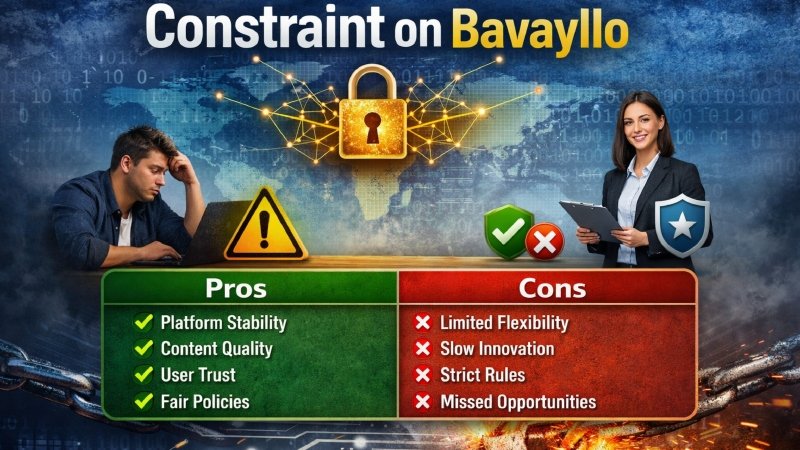
Pros and Cons of Crew Disquantified Org
Like any emerging model, this approach has strengths and limitations.
Pros
-
Encourages healthier collaboration by reducing constant performance pressure
-
Supports creativity and experimentation for creators and technical innovators
-
Promotes stronger community identity where members feel valued beyond measurable output
-
Helps teams focus on meaningful impact instead of superficial metrics
Cons
-
Can feel unclear to people who are used to structured performance systems
-
Teams may struggle to define progress without careful alignment
-
Some organizations may resist adopting it because qualitative success is harder to measure
-
Requires strong communication to avoid confusion in decision-making
Common Misunderstandings
Some critics assume this philosophy means rejecting goals entirely. That is not accurate. The movement does not eliminate accountability. It simply challenges unhealthy measurement obsession. Others believe it is only about online art communities. In reality, its principles apply equally to education, workplace culture, and technical collaboration. The deeper purpose of crew disquantified org is not rebellion. It is rebalancing what matters.
FAQs
What does crew disquantified org mean?
It refers to a collaboration philosophy where teams focus on creativity and shared purpose rather than strict numerical performance systems.
Is crew disquantified org a company or a movement?
It is more of a cultural and organizational concept than a formally established company.
Why is disquantification important today?
Because modern digital life often overvalues metrics, which can reduce creativity and increase burnout.
Can technical teams use this model effectively?
Yes. Developers and engineers benefit from collaboration systems that encourage experimentation rather than constant measurement pressure.
Does this approach reject productivity?
No. It supports meaningful productivity without unhealthy obsession over numbers.
How can individuals apply it safely?
By focusing on authentic contribution, joining trusted communities, and avoiding oversharing personal data online.
Conclusion: A Human Future Beyond Metrics
The rise of crew disquantified org reflects a growing desire for collaboration that feels more meaningful and less mechanical. In a world dominated by performance scores, algorithmic validation, and constant measurement, this philosophy reminds people that creativity, trust, and shared purpose cannot always be quantified.
For individual creators and technical teams in the USA, the message is clear. Collaboration works best when people feel valued beyond numbers.
As you explore this concept, remember to stay thoughtful, stay secure, and choose communities that prioritize transparency and safety. The future of digital teamwork may not belong to those who measure the most, but to those who create with purpose.