
In today’s fast-paced world, maintaining optimal health is more challenging than ever. Nutrient deficiencies, processed foods, and high stress levels are taking a toll on energy, immunity, and mental clarity. The superfood guide lwspeakcare offers a comprehensive approach to nutrition, focusing on high-density foods that deliver maximum benefit for every calorie consumed. This guide not only explains what superfoods are but also demonstrates how to integrate them into daily routines for lasting health improvements.
What Are Superfoods and Why They Matter
Superfoods are naturally nutrient-rich foods that provide antioxidants, vitamins, minerals, fiber, and healthy fats in concentrations that surpass regular dietary items. Unlike supplements, these foods interact synergistically with the body, supporting cellular health, metabolic efficiency, and cognitive performance. The superfood guide lwspeakcare emphasizes that no single food is a miracle cure, but when incorporated intelligently, superfoods enhance overall wellness, longevity, and energy balance.
Core Superfoods in the Superfood Guide LWSpeakCare
The guide classifies superfoods into five primary categories, each offering unique benefits:
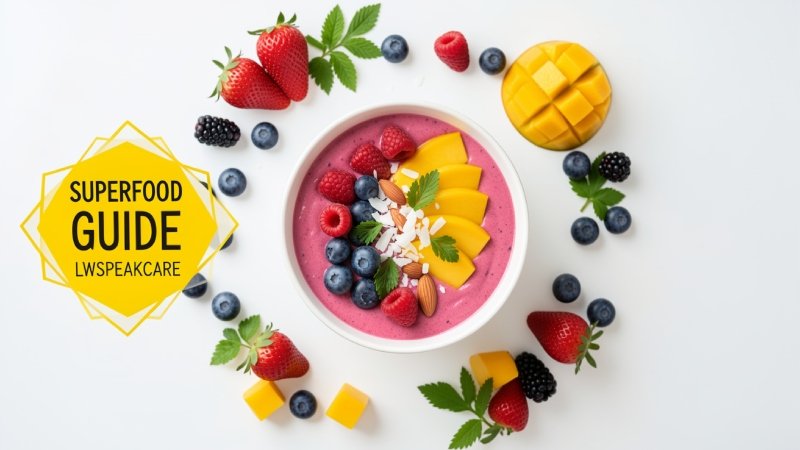
Fruits: Blueberries, strawberries, and grapes are rich in antioxidants that support brain function and reduce inflammation. Regular consumption improves memory retention and protects against oxidative stress.
Vegetables and Greens: Spinach, kale, and cruciferous vegetables contain vitamins A, C, K, and compounds like sulforaphane that cleanse the liver, enhance digestion, and support heart health. Steaming or lightly sautéing preserves nutrients while improving digestibility.
Grains, Nuts, and Seeds: Quinoa, chia seeds, almonds, and walnuts provide complete proteins, fiber, and essential fatty acids. These foods stabilize blood sugar, reduce inflammation, and sustain energy levels throughout the day.
Protein Sources: Salmon, eggs, lentils, and legumes offer essential amino acids and omega-3 fatty acids, promoting muscle repair, cardiovascular health, and cognitive function. Cooking methods like grilling or poaching retain nutritional value.
Spices and Additives: Turmeric, ginger, and Greek yogurt enhance nutrient absorption, reduce inflammation, and support gut health through probiotics. Combining spices strategically maximizes bioavailability, as with turmeric and black pepper.
How to Build a Superfood Diet
Incorporating superfoods requires balance and consistency. Begin by diversifying the plate with multiple food colors to ensure a spectrum of nutrients. The superfood guide lwspeakcare recommends the following numbered approach:
-
Start with one superfood per meal, gradually increasing intake.
-
Pair complementary nutrients, such as vitamin C-rich fruits with iron-containing greens for improved absorption.
-
Replace processed items with whole foods to minimize empty calories.
-
Monitor portions to avoid overconsumption of even healthy foods.
-
Hydrate consistently with water or herbal infusions to support nutrient delivery and detoxification.
This approach ensures that both individual users and technical teams implementing wellness programs can follow an actionable, structured path to better health.
The Science Behind Superfoods
Research demonstrates that superfoods work at a cellular level. Polyphenols neutralize free radicals, antioxidants protect DNA, and dietary fibers regulate glucose metabolism. Omega-3 fatty acids reduce systemic inflammation, while vitamins and minerals support enzymatic reactions essential for energy production. A diverse diet that includes superfoods like berries, leafy greens, and fatty fish is strongly associated with reduced risk of chronic diseases, improved cognitive function, and enhanced immune resilience.
Superfood Comparison Table
| Superfood | Key Nutrients | Primary Benefits | Suggested Use |
|---|---|---|---|
| Blueberries | Anthocyanins, Vitamin C | Brain protection, antioxidant support | Add to oatmeal or smoothies |
| Spinach | Vitamins A, C, K, Folate | Eye health, heart support, detoxification | Lightly sauté or steam |
| Salmon | Omega-3, Protein | Heart health, cognitive function | Grill with herbs |
| Quinoa | Complete protein, Magnesium | Energy, muscle support | Mix with vegetables |
| Turmeric | Curcumin | Anti-inflammatory, joint support | Pair with black pepper in dishes |
| Chia Seeds | Fiber, Omega-3, Calcium | Satiety, digestive support | Blend into smoothies |
This table is designed for readers to quickly identify superfoods that match their nutritional needs while providing practical usage suggestions.
Pros and Cons of the Superfood Guide LWSpeakCare
Pros:
-
Improves energy stability and mental clarity.
-
Enhances immunity and gut health.
-
Supports long-term disease prevention.
-
Easy to adapt for families, individuals, and technical nutrition teams.
Cons:
-
Requires consistent planning and preparation.
-
Some superfoods can be expensive or seasonal.
-
Overreliance without variety may limit nutrient coverage.
How the Superfood Guide LWSpeakCare Supports Families and Teams
The guide is not only for individual health enthusiasts but also for technical teams managing workplace wellness programs or community nutrition projects. It emphasizes practical implementation: integrating superfoods into daily meals, creating family-friendly recipes, and monitoring health markers such as energy, digestion, and cognitive performance. Small incremental changes lead to cumulative benefits, making it accessible for diverse audiences.
FAQs About Superfood Guide LWSpeakCare
1. Can I follow the superfood guide LWSpeakCare without major diet changes?
Yes. Gradual incorporation of nutrient-dense foods improves health without drastic dietary overhauls.
2. Are there risks of consuming too many superfoods?
Overconsumption of certain nutrient-dense foods may affect digestion or interact with medications; moderation is key.
3. How quickly can I see benefits from following the guide?
Physical and mental improvements typically appear within 3–6 weeks, but consistent adherence yields the most significant results.
4. Can children follow the superfood guide LWSpeakCare?
Absolutely. Introduce small portions and incorporate superfoods into familiar meals to enhance taste acceptance.
5. Are superfoods better than supplements?
Whole superfoods provide synergistic compounds that supplements may lack, offering superior long-term benefits.
6. How should I track my progress?
Monitor energy, mood, digestion, and sleep quality weekly to assess the effectiveness of your dietary changes.
Conclusion: Take Action Safely and Strategically
The superfood guide lwspeakcare is a transformative approach to nutrition that balances scientific rigor with practical application. By incorporating diverse, nutrient-dense foods into your daily routine, you can enhance energy, mental clarity, immunity, and long-term health. Remember to introduce superfoods gradually, monitor your body’s response, and maintain variety for optimal results. With consistent, mindful practice, you can achieve lasting wellness while supporting both individual and community health initiatives. Your journey to superior nutrition begins today, and the guide provides a reliable roadmap for a safer, healthier, and more energized life.